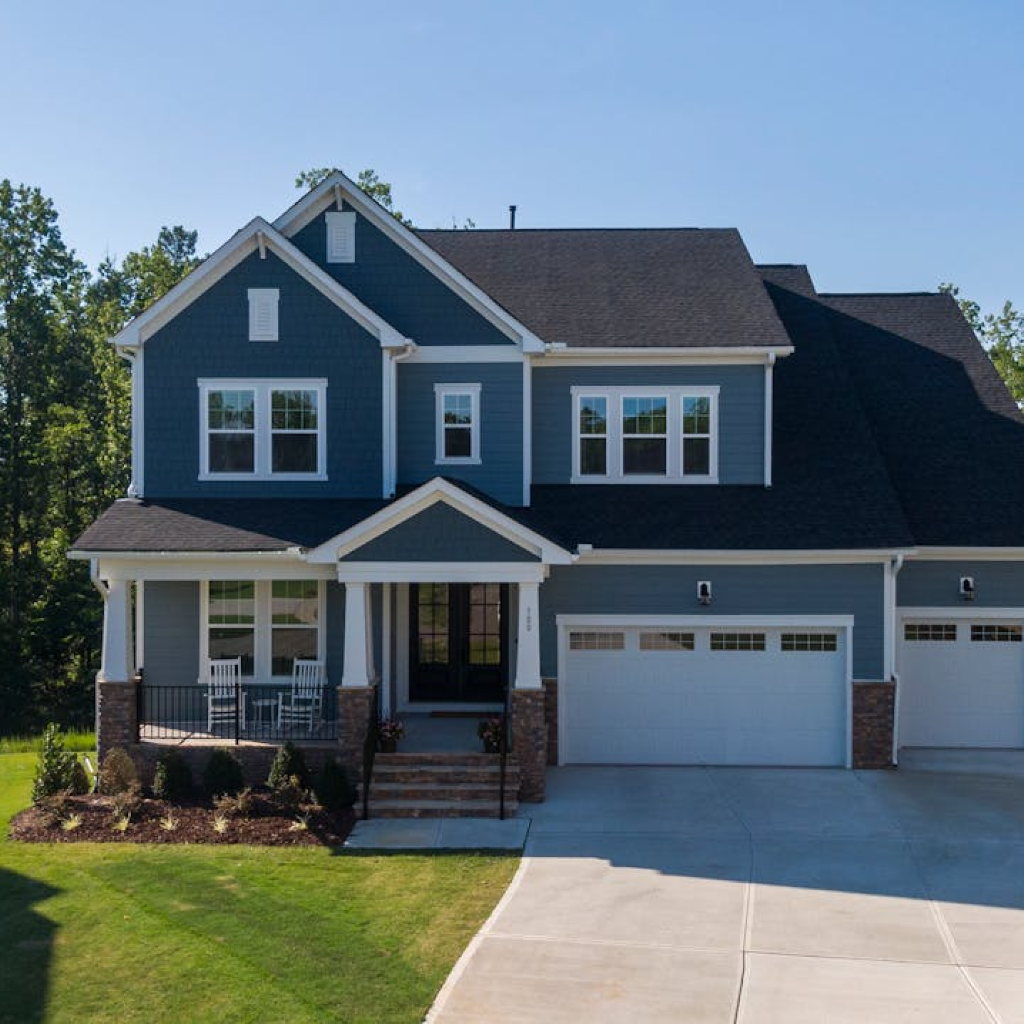
Land Deals: Residual Land Value Basics Q&A for Real Estate Investors
Key Takeaways
- Understanding residual land value helps investors make informed decisions about land acquisitions and project feasibility.
- Key inputs—costs, revenues, market conditions—significantly influence residual value and guide effective risk management.
Understanding the basics of residual land value is essential for real estate investors. This metric reveals a property’s underlying development potential and helps you avoid costly errors in high-stakes acquisitions. Here’s what you need to know to apply these concepts in your next land deal analysis.
What Is Residual Land Value?
Defining residual land value
Residual land value is an analytical method used to estimate how much a developer or investor can pay for a piece of land, assuming a certain use or project. You calculate it by determining the value of the completed project, subtracting all direct and indirect development costs (including profit margin), and whatever remains is the land’s value. In simple terms, it’s the maximum price you could pay for land while keeping the project financially viable.
Role in real estate analysis
In real estate analysis, residual land value forms a bridge between project feasibility and acquisition decisions. It allows you to work backward from anticipated end values, ensuring your assumptions about costs and revenues align before committing resources. This approach reduces the risk of overpaying or launching projects that later prove unprofitable.
How Do Land Deals Use This Metric?
Application in acquisition decisions
When evaluating a land deal, investors use residual land value to set a ceiling on their purchase price. By factoring in expected construction costs, soft costs, required returns, and probable revenues, you can see if the deal makes financial sense. This calculation is often central to competitive bidding, joint ventures, and structured negotiations.
Example calculation process
To calculate residual land value, you might:
- Estimate the property’s value after completion (called stabilized or gross development value).
- Subtract estimated development costs: construction, permits, professional fees, financing costs, and appropriate contingency and profit margins.
- The figure you arrive at is the maximum price justifiable for the land itself.
For example: If the completed project is expected to sell for $10 million and all development and profit costs total $8 million, residual land value would be $2 million.
Why Does Residual Land Value Matter?
Impact on investment feasibility
Residual land value ensures your investment decisions are grounded in financial reality. It gives you a straightforward benchmark: overpaying for land can erode or eliminate profits, while a disciplined approach helps guide negotiations and bid strategies.
Influence on project returns
Well-calculated residual values allow you to compare different opportunities and manage your return objectives. Having a clear residual land value also supports smarter financing, because it clarifies both risk and upside to lenders and partners.
Key Components of Land Value Analysis
Development costs consideration
Your analysis hinges on detailed and realistic development cost estimates. These include hard costs (building, materials, labor), soft costs (design, permits, professional fees), financing charges, contingency allowances, and targeted profit margins. Even small changes to these inputs can affect the maximum price you should pay for the land.
Revenue and risk assumptions
Forecasted revenues from sales or leasing need to be based on solid market research. You also have to account for absorption rates, timing, and expected price points. Incorporating a conservative view of market volatility and allowing for unexpected costs helps guard against optimism bias.
What Are Common Investor Questions?
How do changing inputs affect value?
Any movement in projected costs, revenues, or required returns will directly impact residual land value. For instance, rising construction costs or lower achievable rents reduce what an investor can reasonably pay for land. Sensitivity testing these variables is key to understanding possible outcomes.
Are there standard formulas?
While the basic formula (Residual Land Value = Projected End Value – Total Development Costs) is standard, the specifics can vary. Each market, asset type, and deal structure requires tailored inputs and professional judgment, so no two calculations are entirely alike.
How to approach market volatility?
Market volatility adds layers of complexity to residual land value. To manage this, you can build in conservative assumptions, perform scenario analysis, and consult recent comparable sales or market studies. Adopting flexible planning helps you adapt as market conditions shift.
Potential Risks in Using Residual Value
Sensitivity to construction costs
Construction and development costs are prone to fluctuations due to material prices, labor shortages, or regulatory changes. Even small overruns can erode all the projected profit or make a project infeasible. Residual calculations must factor in appropriate contingencies.
Uncertainty in local market conditions
Every local market operates differently, with unique demand cycles and regulatory environments. Overestimating demand or overlooking zoning limitations can result in inaccurate forecasts. Frequent reassessment of your assumptions is required to avoid costly mistakes.
How to Start Evaluating Land Deals
Gathering input data
Strong analysis begins with thorough data collection. Assemble up-to-date market comparables, construction bids, zoning requirements, and financing scenarios. Consult with qualified professionals and local experts to refine your starting assumptions.
Methods for estimating costs and revenues
Use bid-level detail and recent transaction data to inform construction and soft cost budgets. When projecting revenues, review current lease rates, sales comps, and absorption trends. Regular updates to your models ensure your numbers reflect evolving market dynamics and cost structures.
FAQ: Land Value Analysis for Investors
Best practices for investors
Apply consistent methodologies, test your assumptions, and revisit your numbers regularly. Maintain detailed documentation of your calculation process for future deals. Building a routine around peer review or external consultation can improve accuracy.
Professional resources and tools
Industry-standard software and online modeling tools aid rigorous land analysis. Professional consultants, local brokers, and published market studies offer valuable insights. Stay engaged with market data and professional networks to enhance your investment expertise.