Key Takeaways
- Boutique hospitality in drive-to markets is shaped by shifting traveler behaviors, unique guest expectations, and operational challenges.
- Thorough market analysis and structured evaluation are vital for professionals aiming to optimize investment decisions and manage risk.
Many leisure travelers in recent years preferred drive-to getaways over flights, signaling a fundamental shift in hospitality demand. Understanding how boutique concepts are adapting within this landscape is critical for investors, operators, and professionals seeking to refine their strategy.
What Is Boutique Hospitality in Drive-To Markets?
Defining boutique properties
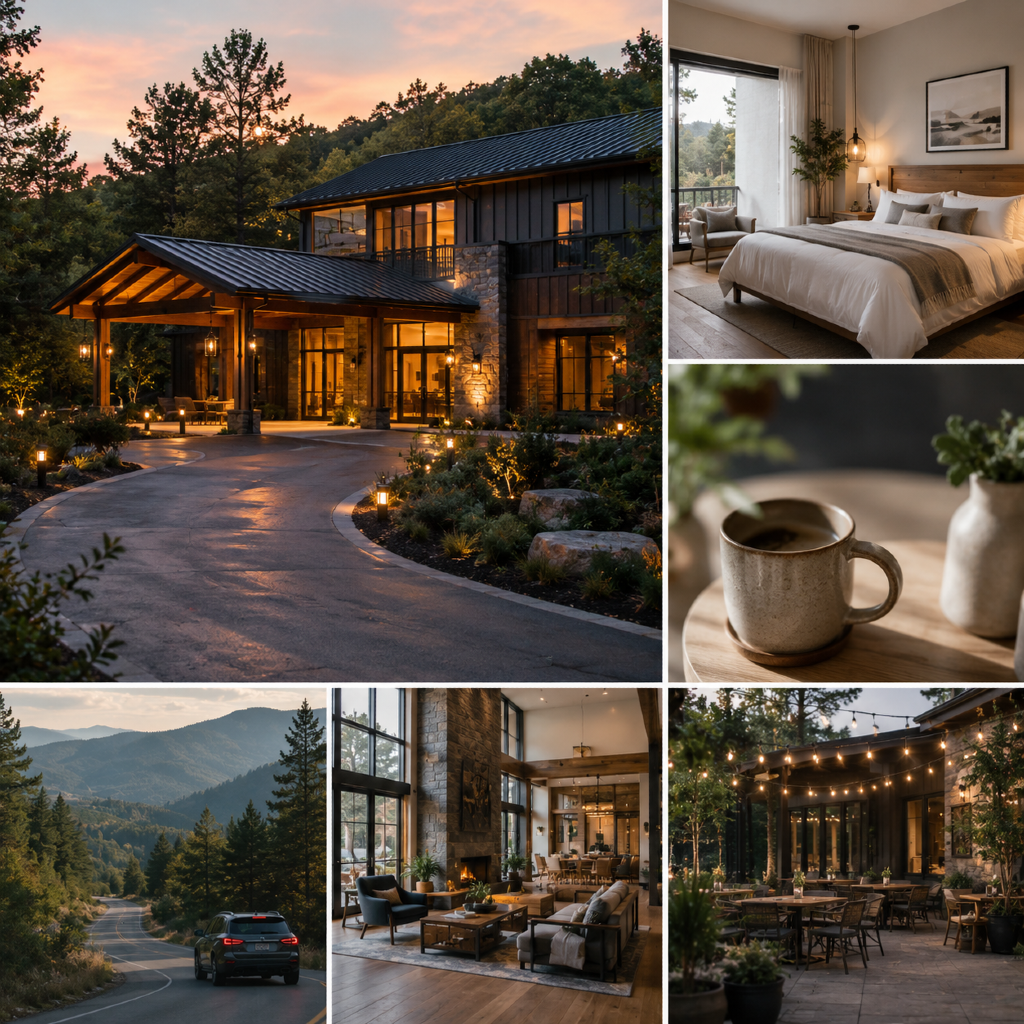
Boutique hospitality refers to independently branded hotels or small-scale hospitality properties known for distinctive design, personalized service, and authentic local experiences. Unlike conventional chain hotels, these properties typically offer between 10 and 100 rooms and focus on curated guest experiences, thoughtful amenities, and a strong sense of place. Their design often highlights local craftsmanship, unique themes, and a story that resonates with the surrounding community.
Understanding drive-to destinations
Drive-to markets are regions where most guests arrive by car, typically from nearby urban centers or suburbs within a 3-5 hour radius. These destinations have gained traction among travelers seeking flexibility, convenience, and opportunities to avoid air travel. Popular examples include small towns, scenic rural areas, coastal routes, and regions near natural attractions—all accessible without the constraints of airport schedules or airline pricing shifts.
Why Focus on Drive-To Hospitality Markets?
Changing traveler preferences
Recent years have seen notable shifts in how people plan their leisure escapes. Increasingly, guests prioritize convenience, privacy, and the ability to control their journey, leading to a surge in demand for locations accessible by car. Health, safety, and a desire for individuality inform booking choices, steering visitors toward boutique experiences over larger, standardized accommodations.
Regional demand patterns
Travelers are distributing their spending across more locations, often favoring lesser-known destinations within driving range. As a result, regional markets benefit from spillover demand when major city hotels reach capacity or encounter price spikes. Real estate professionals and operators are recognizing the potential for steady occupancy and premium rates in these micro-markets, especially when supply is limited and competition focuses on differentiated guest experiences.
What Are the Latest Trends in 2026?
Design and guest experience trends
Boutique properties in 2026 are prioritizing biophilic design, incorporating local materials, and crafting spaces that tell an authentic story. Guests expect experiential amenities such as chef-led dining, wellness retreats, and partnerships with local artisans. Personalization is crucial—properties use flexible layouts to host events, social gatherings, and private escapes tailored to individual guest profiles.
Technology and operational updates
Operational advances include greater adoption of smart room controls, contactless check-ins, and seamless mobile experience integration. Properties leverage data analytics to customize promotions and guest services while streamlining housekeeping, maintenance, and reservation management. These operational tools help small teams efficiently deliver high-touch service, even with limited staff onsite.
What Risks Do Investors Face?
Market variability and demand shifts
Drive-to hospitality markets can experience sharp fluctuations depending on seasonality, weather events, or local economic changes. Demand is susceptible to factors such as gas prices, regional events, and shifting consumer preferences. As a result, occupancy and rate stability can differ widely between properties, even within the same submarket.
Operational complexity and management
Boutique operations demand hands-on involvement, nimble staffing, and the ability to respond quickly to guest expectations. Managing boutique properties often requires broader skill sets than traditional hotels, from marketing and community engagement to event coordination. If not properly managed, these complexities can result in cost overruns, inconsistent service, or missed revenue opportunities.
Which Evaluation Steps Are Essential?
Market analysis and research
Begin by analyzing historical and projected demand in the target drive-to market. Review demographic trends, local events calendars, competitive sets, and occupancy rates season by season. Pay attention to regional travel advisories, transportation infrastructure, and leading sources of demand such as universities, corporations, or natural attractions.
Property-level due diligence
Inspect the physical asset—evaluate its current condition, unique features, and compliance with building codes and hospitality regulations. Also, review permits, licenses, zoning, and any environmental or historic designations that may affect future improvements. Assess operating history, revenue management practices, expense structure, and current staffing arrangements for accuracy and sustainability.
Risk mitigation strategies
Develop contingency plans for demand swings, such as diversified marketing channels, dynamic pricing, and partnerships with local businesses. Consider insurance coverage, targeted CapEx allocations, and scenario-planning exercises for unexpected closures or economic downturns. Building flexibility into both operations and investment structures can help protect against volatility.
How Can Professionals Adapt Strategies?
Aligning with market changes
Monitor leading indicators of travel trends—including online search activity, local project announcements, and municipal investment in infrastructure. Adjust product offerings to reflect emerging guest demands, whether for sustainability, privacy, or new forms of social engagement. Proactively engage with local tourism boards and business associations to anticipate community needs.
Balancing opportunity and caution
Evaluate each opportunity relative to your overall risk tolerance and existing portfolio. Approach new markets incrementally, testing smaller investments or management contracts before full-scale development. Maintain realistic underwriting assumptions and regularly revisit projections as the market evolves, ensuring a healthy margin for error.
Boutique vs. Traditional Hospitality: Key Differences?
Operational differences
Boutique hotels operate with unique positioning and typically leaner, more flexible teams. The focus is often on creativity, local integration, and high guest interaction, requiring leadership that can blend operations with personalized marketing and community engagement. Traditional hotels favor standardized services and larger operating structures, leveraging brand-driven reservations and rewards programs.
Guest expectations
Guests in boutique properties expect memorable, authentic experiences that reflect local culture, staff with strong knowledge of the area, and a personal touch throughout their stay. In contrast, traditional hotel clientele may prefer consistency, speed, and predictable amenities that mirror their prior visits, regardless of location.
What Are the Long-Term Outlooks?
Potential growth factors
Anticipated growth stems from expanding remote work policies, an ongoing appetite for domestic travel, and generational shifts favoring authentic, place-based experiences. Investments in infrastructure—such as improved highways, EV charging stations, and broadband—also increase the appeal and viability of drive-to destinations.
Considerations for ongoing evaluation
Continual monitoring of demand, competitive positioning, and regulatory changes will remain vital for long-term success. Stay attuned to evolving guest preferences and operational best practices. Periodic reassessment of each property within its market and against broader hospitality swings supports sustainable performance and informed decision-making.