Key Takeaways
- House hacking can help manage housing costs and build investment portfolios in high-cost markets, but carries unique risks and complexities.
- Thorough analysis, compliance, and ongoing due diligence are essential when considering house hacking in expensive urban and suburban areas.
House hacking has gained attention as an efficient way to tackle high living expenses in some of the nation’s most competitive real estate markets. If you’re seeking portfolio growth or personal cost savings, understanding house hacking strategies, risks, and costs is critical to making well-informed investment decisions.
What Is House Hacking?
Basic Definition
House hacking is a real estate strategy in which you buy a property and live in all or part of it while renting out the remaining space. By sharing your property with tenants, you offset housing expenses—including mortgage, taxes, insurance, and maintenance—with rental income.
Common Approaches in Practice
In practice, you might live in one unit of a multifamily building, rent bedrooms in a larger home, or use an accessory dwelling unit (ADU), such as a converted basement or detached studio. This blend of owner-occupancy and income generation defines modern house hacking, letting you reduce personal shelter costs while participating in local real estate markets.
Why Consider House Hacking Today?
Investor Trends in 2026
In 2026, real estate investors increasingly favor adaptable strategies to address evolving market realities. House hacking stands out for its potential to hedge against rising rents and steep purchase prices. Investors in high-cost regions are leveraging the method to build equity, expand their presence in appreciating markets, and manage risk through shared expenses.
Impact of Market Conditions
Historically tight inventory, elevated interest rates, and continued urban migration have heightened demand for creative housing solutions. House hacking lets you pursue owner-occupancy benefits—such as favorable mortgage terms—while also generating rental revenue, making it particularly appealing in volatile or expensive markets.
What Makes High-Cost Markets Unique?
Urban Versus Suburban Dynamics
High-cost urban areas often command premium prices but boast larger pools of potential renters and more diverse property types (e.g., duplexes, triplexes, condominiums). Suburban high-cost markets, meanwhile, may offer more space or unique ADU opportunities, but sometimes face stricter zoning or limited multifamily inventory.
Supply and Demand Pressures
Limited housing supply and sustained buyer competition drive both prices and rents higher in these markets. For house hackers, this dynamic typically means higher upfront capital requirements, but also greater potential demand for rental units within an owner-occupied home.
Top House Hacking Strategies in 2026
Multifamily Property Approaches
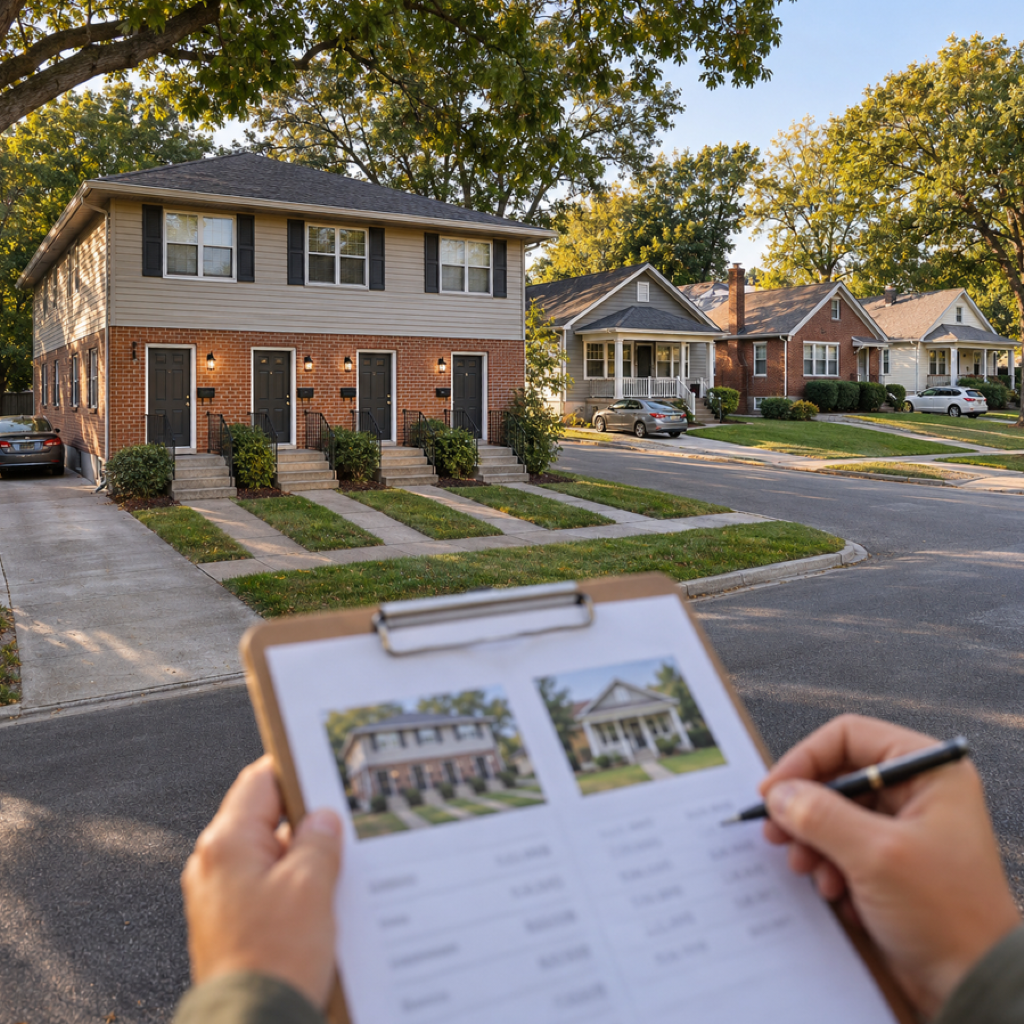
Acquiring a two- to four-unit residential building remains one of the most popular strategies. By living in one unit and renting out the others, you can apply rental income to cover part of your monthly housing costs while maintaining eligibility for residential (rather than commercial) financing. In many high-cost markets, small multifamily properties are scarce, so you’ll need patience and flexibility during the acquisition phase.
Accessory Dwelling Units (ADUs)
ADUs—such as in-law suites, garage apartments, or basement conversions—are especially relevant in regions where zoning permits. In 2026, cities and some suburban jurisdictions have relaxed rules to encourage ADU development, allowing homeowners to add a legal rental unit to their property. This opens new doors for single-family house hackers to generate income without purchasing a multifamily property.
Short-Term and Mid-Term Rentals
Short-term rentals (via platforms like Airbnb) and mid-term rentals (catering to traveling professionals or students) may yield higher rental income compared to long-term leases. However, you must be vigilant: Many high-cost cities have introduced regulations on short-term rentals, so conducting pre-purchase due diligence is crucial to ensure ongoing compliance and avoid operational disruptions.
How Do You Analyze Costs and Returns?
Expense Categories to Track
When evaluating a house hacking opportunity in a high-cost market, you’ll want to track all major expense categories:
- Mortgage principal and interest
- Property taxes and insurance
- Maintenance and repairs
- Utilities, including those shared with tenants
- Legal, accounting, or property management fees
- Vacancy and turnover costs
Careful budgeting for each category helps you avoid underestimating your true monthly or annual outlay.
Neutral Methods of Return Estimation
To estimate potential returns, use neutral calculations such as cash-on-cash return (annual pre-tax cash flow divided by total cash invested) and cap rate (net operating income divided by property value). These measures are widely accepted in the industry for comparing properties, but always remember they rely on projections—not guarantees. Account for variable tenancy, maintenance surprises, and evolving regulations to present an accurate, risk-adjusted picture.
Key Risks and Mitigation Strategies
Potential Regulatory Changes
Zoning rules, building codes, and rental ordinances continue to evolve, especially as city governments react to affordability concerns. Always verify whether your planned property use (multifamily, ADU, short-term rental) is both permitted and sustainable under current and expected policies. Regularly monitor city council agendas and consult qualified real estate professionals.
Tenant and Occupancy Considerations
Managing tenants while sharing common space—either in a multifamily setting or under the same roof—introduces interpersonal and legal complexities. Use formal leases, document all agreements, and comply with fair housing and landlord-tenant regulations. Be clear in your screening and communication to reduce misunderstandings and protect your investment.
What Are Common Misconceptions?
Risk Versus Reward Realities
House hacking can help reduce your cost of living and jumpstart a real estate portfolio, but it’s not risk-free or universally profitable. Operational challenges, regulatory shifts, and shifts in local rental demand can all impact outcomes. Enter with a balanced view, expecting both hurdles and opportunities.
Investment Timeline Expectations
Success with house hacking in high-cost markets often unfolds over years, not months. Building equity, recouping upfront costs, and reliably generating high rental income usually require a medium- to long-term horizon. This approach rewards patience, ongoing attention to property management, and periodic strategy reviews as markets change.
How to Start House Hacking Responsibly?
Professional Due Diligence Steps
Begin by researching neighborhood-specific market trends, occupancy rates, and comparable rental values. Consult with real estate brokers, property managers, and local regulatory agencies to verify zoning and legal compliance. Schedule thorough property inspections and review projected financials realistically, not optimistically. Effective due diligence helps you identify risk and opportunity before you commit.
Ethical and Compliance Factors
Use transparent processes, treat prospective tenants fairly, and fully comply with local ordinances. Prioritize safety standards, proper disclosures, and regular communication. Always position house hacking within its appropriate context—as an investment with both potential advantages and risks—and avoid making representations or suggestions of guaranteed profit.