Key Takeaways
- Light-value add strategies in senior housing provide targeted improvements to capture market demand and create value—but require disciplined risk assessment.
- Understanding myths, risks, and rewards prepares you to make informed, compliance-focused decisions in a changing real estate landscape.
Did you know that demand for senior housing is projected to outpace supply by 2026, creating unique opportunities for light-value add strategies? By focusing on education and risk management, you’ll be better prepared to assess opportunities and avoid common industry misconceptions.
What Is Light-Value Add in Senior Housing?
Definition and Core Characteristics
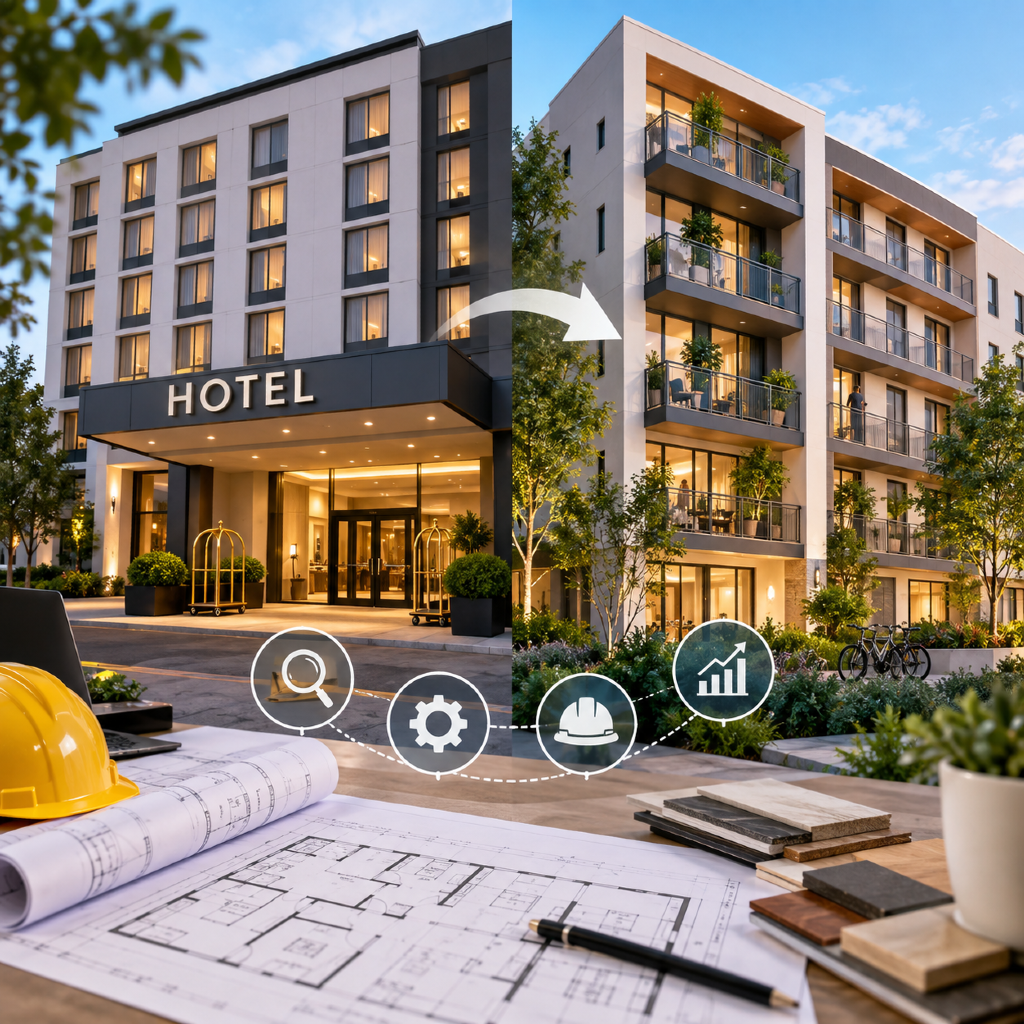
Light-value add refers to targeted property improvements that enhance senior housing communities without extensive redevelopment. Unlike heavy renovations, these projects focus on operational upgrades, cosmetic refreshes, or modest amenity enhancements. Typically, they don’t involve major structural changes but aim to improve resident experience and property competitiveness.
Typical Project Scope
A light-value add project may include paint, flooring, lighting updates, common area refurbishments, technology upgrades, or modest landscaping. Operational changes, like improved marketing, resident services, or staffing enhancements, are also common. This approach seeks to strike a balance between cost-efficiency and meaningful impact for both residents and investors.
Why Consider Light-Value Add Strategies?
Market Demand in 2026
The senior housing sector is projected to face a supply-demand imbalance by 2026, fueled by demographic growth and evolving consumer expectations. As occupancy rebounds in many markets, even relatively minor improvements can move a property upmarket or stabilize performance, making light-value add strategies particularly timely.
Potential for Strategic Upside
You may find that a light-value add project allows for capturing untapped value with less disruption than a full-scale redevelopment. Stronger operational execution, improved resident satisfaction, and market repositioning can, in some cases, drive increased revenue, competitive differentiation, or better long-term expense management.
Common Myths About Light-Value Add
Misconceptions About Risk
One persistent myth is that light-value add projects are largely risk-free. In reality, every real estate investment carries risk—ranging from missed projections to unforeseen costs or market changes. The nature of the upgrades may be simpler, but challenges related to planning, execution, and local market alignment remain critical.
ROI Assumptions vs. Reality
It’s also common to assume that any investment in upgrades will automatically deliver outsized returns. While light-value add can increase value, the actual financial outcome depends on disciplined underwriting, management, and market timing. Overestimating rental or occupancy lift, or underestimating costs, can undermine your objectives.
What Risks Should Investors Watch For?
Operational and Market Risks
Even smaller-scale projects can encounter operational hurdles, such as disruptions to resident life, staffing challenges, or underperformance in competitive markets. Shifts in local demand, reputation, or economic cycles can impact your original business plan. Ongoing management quality is crucial to sustaining performance post-renovation.
Regulatory and Compliance Issues
Senior housing is regulated at multiple levels, including building codes, healthcare standards, and fair housing laws. Light-value add projects must adhere to all relevant rules—especially when modifying common spaces or introducing new amenities—to avoid costly delays or legal exposure. Always engage professional advisors and perform regulatory due diligence before proceeding.
How Do You Assess a Light-Value Add Opportunity?
Key Financial Metrics
When evaluating a project, focus on metrics such as current and projected net operating income (NOI), rent growth assumptions, capital expenditure (CapEx) budgets, and break-even analysis. Sensitivity analysis can help illustrate how changes in occupancy, rent, or expenses impact your returns. Always model downside scenarios and stress-test your assumptions.
Property and Market Due Diligence
Thorough due diligence includes analyzing property condition reports, resident and staff feedback, local competitive landscape, and demographic trends. Understand both the physical plant and operational track record. Evaluate nearby supply, demand drivers, recent comparable upgrades, and how local market cycles could affect performance.
What Are the Rewards and Benefits?
Value Creation Potential
A well-executed light-value add can enhance resident satisfaction, drive higher occupancy, and potentially improve financial performance relative to acquisition cost. Modest upgrades often align well with current trends—such as wellness, technology, or lifestyle programming—adding both tangible and intangible value.
Portfolio Diversification
Integrating light-value add strategies into your portfolio can help balance risk and return profiles. These projects might diversify property types, geographic locations, or operational approaches without the higher capital intensity of ground-up development or major repositioning.
Can Light-Value Add Suit My Strategy?
Aligning with Investment Goals
Ask yourself whether light-value add fits your capital deployment goals, timeline, and desired risk profile. If you seek quicker execution, moderate capital outlay, and incremental value creation, this strategy may align well. However, long-term, larger-scale transformation may require different approaches.
Evaluating Resource Requirements
Consider your internal resources for project management, vendor relationships, and compliance. Even modest improvements require effective oversight, budgeting, and regulatory awareness. Gauge your ability to coordinate contractors, manage resident communications, and adapt to evolving market conditions.