Key Takeaways
- Smart investors in 2026 track precise SLA metrics and use advanced vendor vetting tools to strengthen operational reliability.
- Adopting structured evaluation and continuous improvement processes is crucial for sustained risk management and long-term portfolio value.
As real estate operations become more data-driven and risk conscious, your approach to maintenance SLAs (Service Level Agreements) and vendor vetting is a critical lever for optimizing portfolio resilience. In 2026, institutional and individual investors alike are prioritizing these areas to enhance decision-making, minimize risks, and adapt to a rapidly changing vendor landscape.
What Are Maintenance SLAs in Real Estate?
Defining Service Level Agreements
A Service Level Agreement (SLA) is a formal contract between property owners or managers and vendors, outlining expected performance standards, timelines, and minimum service requirements. In real estate, SLAs govern everything from routine maintenance tasks—like HVAC servicing—to urgent repairs and facility upgrades. SLAs are designed to ensure accountability, transparency, and consistent service delivery. By spelling out what must be done, by whom, and to what standard, they help you mitigate operational risk and maintain tenant satisfaction.
Common Metrics and Benchmarks
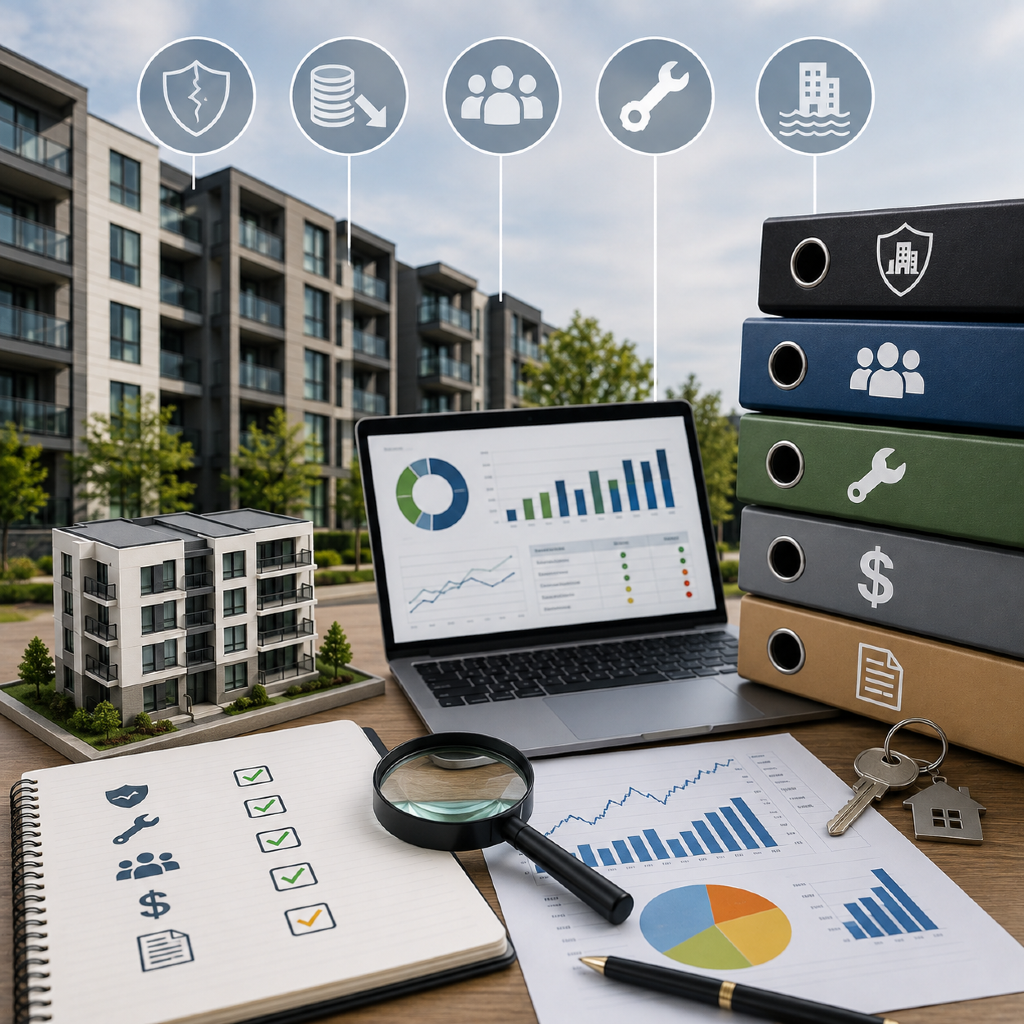
Typical maintenance SLA metrics tracked by investors and property operators include:
- Response Time: How quickly a vendor acknowledges service requests.
- Resolution Time: How long it takes to complete repairs or services.
- First-Time Fix Rate: The percentage of maintenance issues resolved on the first attempt.
- Uptime/Downtime: Availability of critical building systems.
- Quality Assurance: Measured by post-service inspections or tenant feedback.
Benchmarks are set based on property type, tenant expectations, and legal requirements, but leading investors in 2026 are leveraging historical performance data to define SLA thresholds more precisely.
Why SLAs Matter for Investors
For you as an investor, well-structured SLAs help create predictability in operational costs, reduce unexpected disruptions, and support long-term asset planning. By holding vendors to measurable standards, you encourage proactive maintenance and protect portfolio value. Additionally, consistent SLA monitoring enables early identification of risk areas, helping you refine vendor relationships and negotiate better contracts over time.
How Is Vendor Vetting Evolving in 2026?
Key Changes Shaping Due Diligence
Vendor selection now extends far beyond basic background checks. In 2026, due diligence involves assessing vendor reputation, financial health, digital security practices, and environmental, social, and governance (ESG) alignment. Investors increasingly require vendors to demonstrate compliance with industry standards, maintain up-to-date certifications, and report data on their own supply chains. This comprehensive approach reduces exposure to compliance failure and reputational risk.
Top Tools and Platforms in Use
Centralized digital platforms have become the norm for vendor vetting, integrating:
- Real-time performance dashboards
- Automated reference and documentation checks
- Machine learning-driven risk analysis
Advanced software can flag inconsistencies, track historical contract breaches, and automate comparison of vendor proposals. These tools save you time and support more objective and evidence-based selection.
Data Privacy and Compliance Factors
With greater data sharing between vendors and property owners, investors must stay attentive to privacy and regulatory requirements such as GDPR or emerging state-level laws. It’s essential that vendors use secure platforms for documentation and communications. You are also responsible for monitoring vendor compliance with data protection and workplace safety standards, helping shield your portfolio from legal and reputational liabilities.
What Do Leading Investors Monitor Now?
Performance Indicators to Track
In 2026, you should focus on:
- Average SLA compliance rates by service category
- Percentage of on-time and first-call resolution service visits
- Cost per maintenance ticket relative to agreed benchmarks
- Vendor insurance and safety compliance records
Data is typically collected through integrated property management systems and regular audit reports.
Risk Factors and Red Flags
Watch for recurring delays, inconsistent documentation, unexplained cost overruns, or customer complaints in vendor histories. Weak digital security or failure to update insurance paperwork are also significant red flags. By tracking these signals, you can act quickly to avoid costly interruptions or compliance breaches.
Examples from Current Investors
Some large institutional investors now publish quarterly reports summarizing vendor performance, while many emerging firms have task forces for SLA compliance. Case studies point to improved satisfaction and lower turnover when investors adopt a systematic, transparent approach to maintenance oversight.
Benefits and Risks of Modern SLAs
Reduced Downtime and Maintenance Costs
Modern SLAs, coupled with strong vendor vetting, help you minimize property downtime, control routine maintenance costs, and reduce the likelihood of emergency repairs. This directly supports tenant retention and asset value, critical metrics for portfolio health.
Potential Pitfalls to Consider
While SLAs offer structure, overly rigid agreements can inadvertently reduce flexibility in responding to unique property needs. Over-relying on automation for vendor selection may overlook qualitative factors, such as communication style or local expertise. It’s vital to maintain a balanced view, integrating human judgment with data-driven oversight.
Impact on Portfolio Performance
Effective SLAs contribute to smoother property operations and more stable cash flows, but it’s crucial to remember that no agreement can eliminate all risk. Real estate remains subject to market volatility, and ongoing diligence is required to maintain performance standards. As market conditions shift, reviewing and adapting SLAs will help align your operational practices with evolving risk tolerances.
How to Start Upgrading Vendor Selection
Step 1: Define Your SLA Needs
Begin by cataloging your maintenance priorities and existing vendor relationships. Establish what success looks like for each service category, referencing peer benchmarks and internal data. This clarity is essential for both contract drafting and vendor conversations.
Step 2: Establish Evaluation Criteria
Develop a weighted scoring system to compare vendors across critical factors:
- Service track record
- Financial and insurance documentation
- Digital infrastructure and data security
- ESG credentials
Customize your criteria to your risk profile and regulatory environment.
Step 3: Implement Ongoing Reviews
Build scheduled audits into vendor agreements, tracking SLA compliance and documenting performance trends. Gather feedback from onsite teams and, when appropriate, tenants. Update your evaluation process annually to reflect changes in market expectations or regulatory requirements.
What Questions Should Investors Ask?
Vetting Maintenance Partners Thoroughly
- What background checks and compliance certifications does the vendor maintain?
- How do they manage subcontractors and third-party providers?
- Can they provide a transparent record of past contract performance?
Assessing SLA Transparency
- How are service metrics tracked and reported?
- What is the dispute resolution process?
- Are there financial incentives or penalties for missed benchmarks?
Monitoring for Future Trends
- How is the vendor investing in technology and workforce training?
- Are they proactive about regulatory changes and ESG compliance?
- What contingency measures are in place for business continuity?
Long-Term Outlook for Investor Strategy
Adapting to a Changing Vendor Landscape
The vendor ecosystem is increasingly dynamic, driven by technology adoption, shifting regulatory requirements, and evolving investor expectations. By staying agile—regularly reviewing performance and updating criteria—you will be better equipped to manage unforeseen risks.
Balancing Automation and Oversight
Technology offers efficiency in vendor selection and monitoring, but human oversight remains indispensable. Combine analytics with regular, hands-on reviews to verify data integrity and interpret nuanced performance signals.
Continuous Improvement Approaches
Commit to a cycle of regular evaluation and process improvement. Engage with industry peers, attend conferences, and benchmark your practices to remain competitive. Remember, the most resilient portfolios are those where investors adapt not only to current trends, but also proactively anticipate tomorrow’s challenges.