Key Takeaways
- In-fill and greenfield developments each offer unique advantages and present specific challenges for senior housing providers.
- Strategic site selection requires careful alignment with investment objectives, risk appetite, and market fundamentals.
Making an informed decision about where to build or expand senior housing is critical for long-term success. Understanding the distinctions between in-fill and greenfield site choices can help you optimize your investment, manage risks, and align your projects with operational goals. The following analysis provides a step-by-step comparison of these senior housing development approaches.
What Is In-Fill Senior Housing?
Definition and Common Characteristics
In-fill senior housing refers to development projects that occupy vacant, under-utilized, or previously developed parcels located within established urban or suburban neighborhoods. These sites are typically surrounded by existing infrastructure, such as roads, utilities, and community services. You’ll often find in-fill locations in areas facing population growth or shifts, where land is scarce and higher density is preferred. Common features include proximity to commercial amenities, walkable access to restaurants and retail, and connection to established transit networks.
Example In-Fill Scenarios
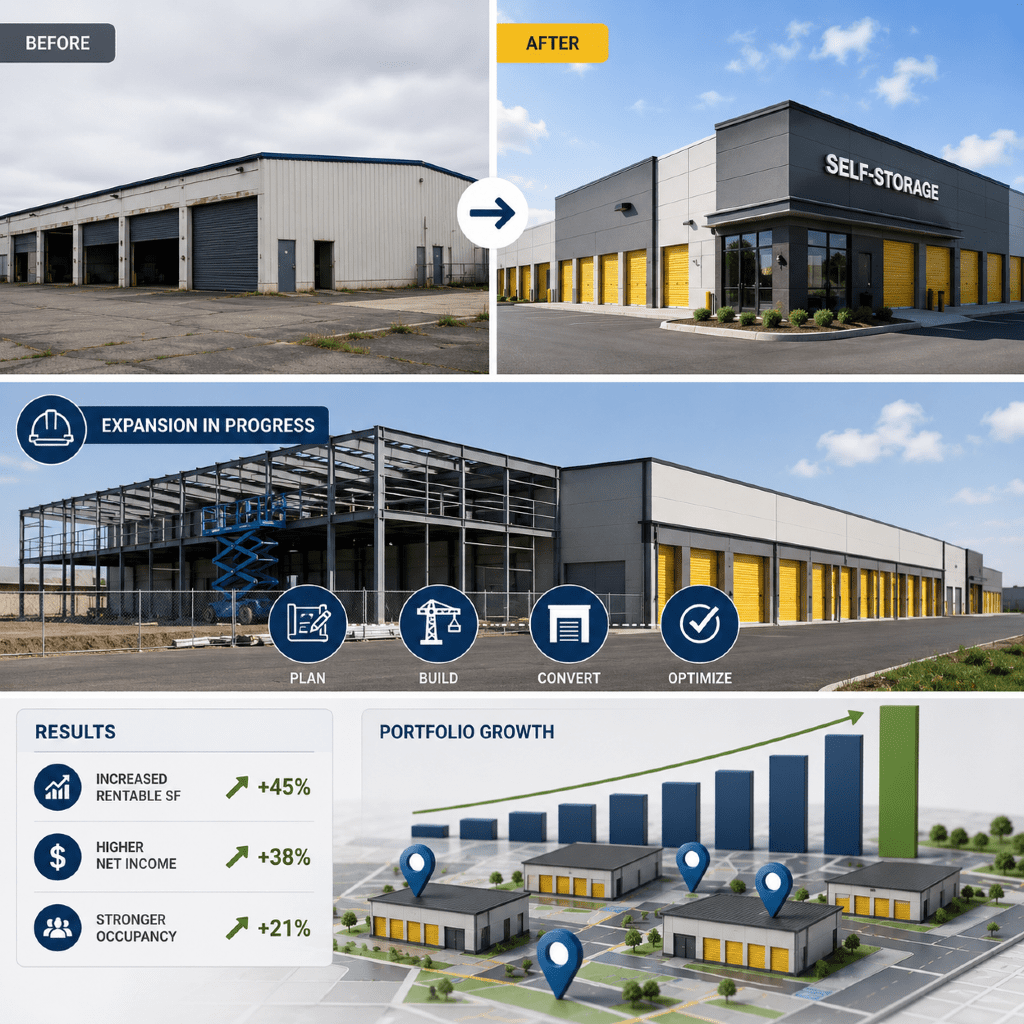
Imagine repurposing a vacant office building in a city for assisted living, or transforming an old retail lot in a suburban town center into a modern independent living community. In-fill projects may also involve small subdivisions or mid-rise construction on former industrial parcels. These opportunities usually blend into existing urban fabrics, leveraging nearby services and infrastructure.
What Is Greenfield Senior Housing?
Definition and Typical Locations
Greenfield senior housing development occurs on previously undeveloped land. These sites are often located on town peripheries or in emerging exurban markets where open spaces are available. Greenfield parcels usually lack prior infrastructure and require substantial groundwork, from utility installation to roads and landscaping. Developers may find greenfield land in master-planned communities, newly annexed suburban areas, or agricultural zones transitioning for residential use.
How Greenfield Developments Begin
A greenfield project typically starts with raw land acquisition. The site goes through entitlement, utility planning, and road access design before any vertical construction begins. You’ll be responsible for establishing connections to water, sewer, electricity, and coordinating with local agencies for necessary approvals. This process demands close collaboration with planners, engineers, and regulators.
How Do In-Fill and Greenfield Sites Differ?
Key Differences in Land Use
The main distinction lies in the site’s development history and surrounding context. In-fill land sits within built-up areas, requiring creative design to adapt existing parcels or structures. By contrast, greenfield land provides a blank canvas, letting you master-plan amenities and building layouts from scratch. However, you may face environmental regulations or infrastructure requirements unique to undeveloped land.
Typical Zoning and Approvals
With in-fill projects, zoning may already allow multifamily or senior-oriented uses, but variances and community engagement can be critical due to neighborhood sensitivities. Greenfield development generally demands rezoning or annexation, along with robust site plan approvals. Approval processes and timelines can vary significantly between municipalities and site types, impacting project feasibility and cost.
What Are the Benefits of Each Strategy?
In-Fill Advantages and Considerations
In-fill development capitalizes on mature neighborhoods, offering close proximity to healthcare, retail, and transportation. These sites often appeal to seniors seeking convenience and community integration. You may also benefit from faster lease-up if demand outpaces supply locally. However, challenges could include higher land or construction costs and complex demolition or remediation requirements.
Greenfield Strengths and Constraints
Greenfield sites provide flexibility—you can design optimal layouts and scale communities to anticipate demographic trends. Development costs may initially be lower per square foot, especially when purchasing raw land—though infrastructure installation will add substantial expense. These projects can deliver modern amenities and green spaces attractive to both residents and families. On the other hand, new site development can extend timelines and increase exposure to changing market conditions over the project lifecycle.
What Are the Key Risks and Challenges?
Common Development Hurdles
In-fill projects often require thorough environmental assessments, with potential for site contamination or structural issues in preexisting buildings. Navigating neighborhood feedback and securing variances can lead to unpredictable delays. Greenfield sites, while free from legacy structures, may involve significant grading, environmental mitigation, and unanticipated infrastructure costs. Both approaches require robust due diligence and strong project management to overcome regulatory, environmental, and logistical roadblocks.
Market Volatility and Project Viability
Both in-fill and greenfield projects are subject to market fluctuations that affect occupancy rates, construction costs, and project schedules. In-fill sites may have resilient demand due to location advantages, but higher up-front costs could shrink margins during slowdowns. Greenfield sites expose you to longer timelines, meaning greater risk if economic or demographic conditions change mid-development. Consistent feasibility analysis and sensitivity modeling strengthen your ability to weather these uncertainties.
How Should You Evaluate Site Selection?
Location Metrics for In-Fill
When assessing in-fill opportunities, key metrics include walkability scores, healthcare access, local demand for senior living, and the availability of supportive infrastructure. Analyze neighborhood demographics, proximity to hospitals and retail, and area safety. Consider competition—many strong in-fill locations are already home to established operators, so look closely at supply and demand balance.
Site Readiness for Greenfield
Greenfield site evaluation focuses on factors like land cost, entitlement risk, utility access, and buildout timeline. Infrastructure requirements—sewer, water, power—can significantly affect both capital outlay and schedule. It’s also vital to assess growth projections and local government support for new development. Weigh the timing and complexity of permit and utility approvals against your investment horizon and risk appetite.
Which Senior Housing Path Fits Your Strategy?
Aligning Opportunity With Investor Goals
Your selection should align with your organization’s investment horizon, operational expertise, and portfolio objectives. In-fill projects may suit those targeting urban, walkable locations and seeking integration with existing communities. Greenfield development may be preferable for long-term investors aiming to shape entire communities and who can absorb a longer stabilization period. Matching opportunity type with your goals helps clarify your strategic direction.
Risk Management Considerations
Assess your tolerance for entitlement uncertainty, construction complexity, and market exposure. In-fill projects demand strong stakeholder engagement and rapid adaptation to site challenges, while greenfield projects require extensive up-front sitework and longer capital deployment. Building robust risk management frameworks—covering market analysis, cost contingencies, and regulatory tracking—will help ensure project resilience and optimize investment outcomes.